About
Let’s face it, obedience isn’t a fun topic for most of us. Between an American ethos that prizes individualism and innovation, a culture that pushes indulgence, and a natural human desire to be free from control, we don’t like to feel compelled to follow anyone else’s rules. So how do we break down that resistance and embrace obedience to God? And how can we build in ourselves a desire to heed God’s word, rather than just doing so out of grudging obligation?
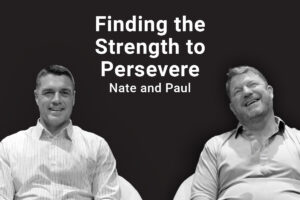
In this week’s episode, Redeemed founder Paul Amos and director Nate Dewberry examine obedience from a variety of angles, including cultural attitudes toward obedience, “have to” versus “want to,” and the immense benefits of following God’s instructions, even when it’s a challenge. They also discuss the leadership qualities that make people motivated to obey, and how obeying God’s commandments on how to treat one another leads to a greater sense of community—and an infinitely more fulfilling existence.
Show Notes
Segment chapters
0:00 Pre-show chit-chat
5:36 Intro/How culture shapes our views on obedience
11:48 Obeying out of desire vs. performing out of obligation
17:01 Obedience as a path to a stronger relationship with God
22:20 How caring about other people helps us be obedient for the right reasons
28:40 The leadership traits that inspire sincere and willing obedience
31:52 What helps us break down our resistance to obeying God
Snippets/excerpts
7:24 to 8:09—Paul reflects on the tension in Western culture between obedience and innovation
10:02 to 11:04—How observing Japanese culture started Paul on the path to realizing the virtues of obedience to God
17:44 to 18:44—“If we just conform to a lifestyle change, we’re going to miss the heart of the Gospel”
24:08 to 25:09—How Paul shifted from a transactional view of other people to a sincere desire for friendship and community
Think about it
Sit with these before you say anything out loud.
A choice to obey—or to go rogue.
(11:15) Think back to a time when a parent, supervisor, or authority figure gave you specific instructions, but you were convinced you had a better way to complete the task at hand. Did you follow the instructions, and did that build any resentment in you? Or did you do things your way, and if so, what was the result? How did the authority figure react to your non-conformity?
A time I thought I had a better way:
What happened when I strayed from the instructions:
Honesty is the best policy—and best path to community.
(28:08) When you own up to a failing or a misstep on your spiritual journey, who is the person who generally offers you the most grace and encouragement? How did you build a relationship with that person, and how did you build up the trust—and the courage—to be vulnerable in front of them?
The person who picks me up when I’ve stumbled:
How I came to trust them with the real me:
Talk it out
These are worth saying out loud in a group, with a brother, or with God himself.
Examining our motivations.
(6:31) When you were growing up, did you generally do “the right thing” because you had a desire in your heart to do so, or did you do so out of a sense of obligation? Did you ever run into trouble despite your obedience because people could tell “your heart wasn’t in it”?
What obedience means to me personally.
(8:10) What comes to your mind when you hear the word “obedience”? Does it have any negative connotations for you? Has it ever made you feel stifled or held back from your greatest potential? Did you enter adulthood with the expectation that, as someone now making his own decisions, obedience would no longer be your concern?
Understanding the nature of salvation.
(17:24) Have you struggled to reconcile God’s call to obey with the Christian conviction that salvation is already granted to us, that it doesn’t have to be “earned”? When you’ve done things out of obligation to God rather than a true desire in your heart, how do you feel afterward?
Where I’m still struggling to accept God’s instructions.
(34:08) In what areas of your life do you think you’ve been most resistant to obeying God’s word? Where do you think that reluctance comes from? How did you begin to have your eyes opened to the rewards that came with conforming to God’s plan?
Take action
Don’t let this stay in your head. Do something with it.
Obeying the call to love thy neighbor.
(24:18) Have you, like Paul, gone through a period in your life where you “didn’t really see people” or viewed them merely as “pieces on a chessboard”? When people were turned off by that attitude, did you tell yourself, “So what, I don’t need them”? What factors in your life have caused that attitude to change?
When I saw people as a means to an end:
How that made other people feel:
What I’m doing—and can still do—differently:
The people who make obedience feel like a privilege.
(30:26) Who are the leaders in your life whom you have been most eager to follow or obey? What about them inspired you to have so much confidence in them and their directions?
The people I’d follow anywhere:
Why I want to do right by them:
Closing
To some extent, it’s human nature to push back against rules or restrictions imposed by others. But God’s rules obviously aren’t just any rules. And the nature of those rules isn’t always simple. You mean I can’t just obey God, I have to want to obey God? I thought he’d already granted me salvation anyway!
These thoughts often result from getting bogged down in the hard work of following God’s plan without appreciating the rewards—freedom from sin; a greater sense of community with others; a more meaningful life path; and a closer relationship with God himself. In the coming days and weeks, reflect on the good that has come from obeying God’s word and living the life he desires you to live. Give thanks for those blessings, and ask yourself where else in your life you could be more receptive to God’s instructions. As you do, you’ll understand more fully what a privilege it is to serve a God who wants the best for us and is always there to help us achieve it.